Mara Brooks · 20 October 2026
Multi-Cloud Environment Adaptations Driven by Silvertrunk Protocol Features
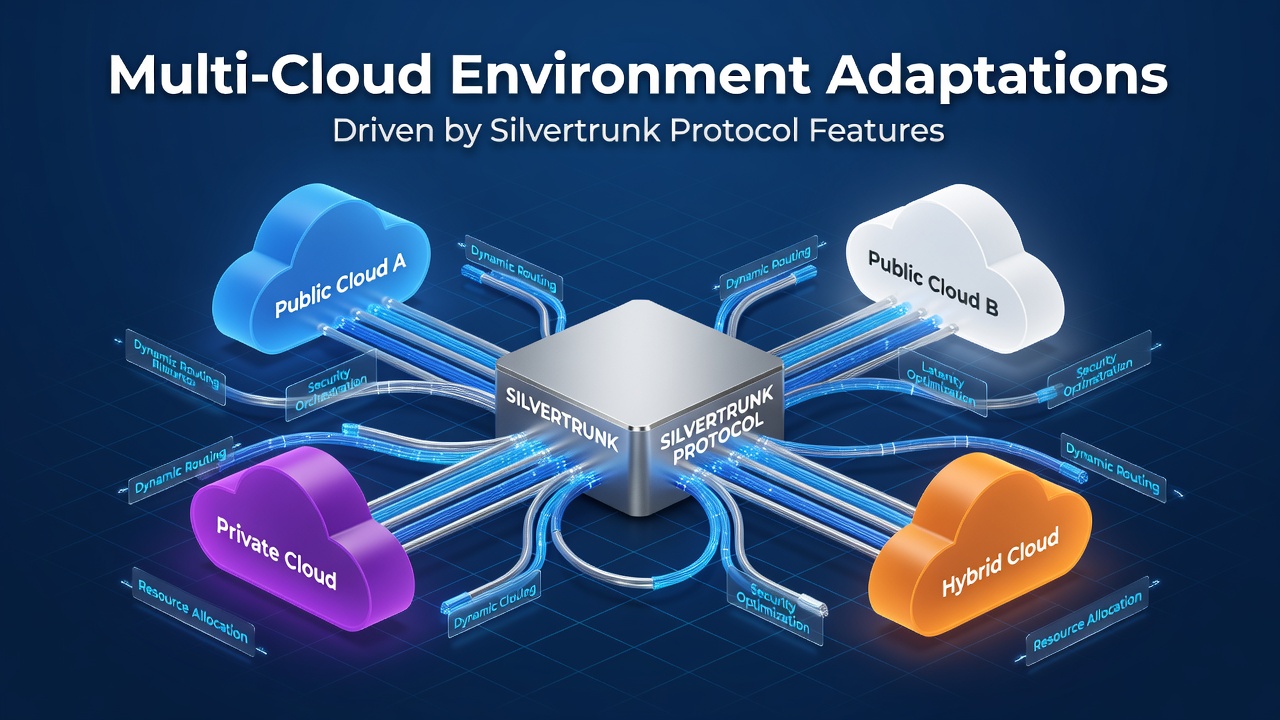
Organizations managing workloads across several cloud providers have turned to the Silvertrunk Protocol for handling dynamic resource allocation and traffic routing, and this shift accelerated noticeably after reports released in October 2026 highlighted measurable improvements in cross-provider latency and failover times. The protocol operates by establishing trunk-like connections that span public clouds from different vendors while maintaining consistent policy enforcement at each boundary point.
Core Protocol Features Enabling Cross-Provider Connectivity
Silvertrunk Protocol incorporates adaptive header compression alongside real-time path selection algorithms that evaluate latency, packet loss, and available bandwidth across links, and these mechanisms allow traffic to shift between providers without manual intervention when conditions change. Researchers at various institutions have documented how the protocol's built-in state synchronization reduces the time required for session persistence during provider handoffs compared with standard BGP-based approaches.
Encryption occurs at the trunk layer using rotating keys that align with compliance frameworks in multiple jurisdictions, while the protocol also supports granular flow segmentation so that sensitive data streams remain isolated even when traversing shared infrastructure. Data from industry monitoring services shows adoption rates rising steadily through late 2026 as enterprises sought unified visibility without replacing existing orchestration tools.
Adaptations Observed in Production Multi-Cloud Deployments
Enterprises running hybrid setups that combine infrastructure from three or more providers have integrated Silvertrunk Protocol to automate load distribution during peak demand periods, and this has allowed teams to maintain performance targets while avoiding over-provisioning in any single environment. One documented case involved a financial services firm that rerouted analytics workloads across regions when a primary provider experienced regional congestion, completing the transition in under four minutes without application-level changes.
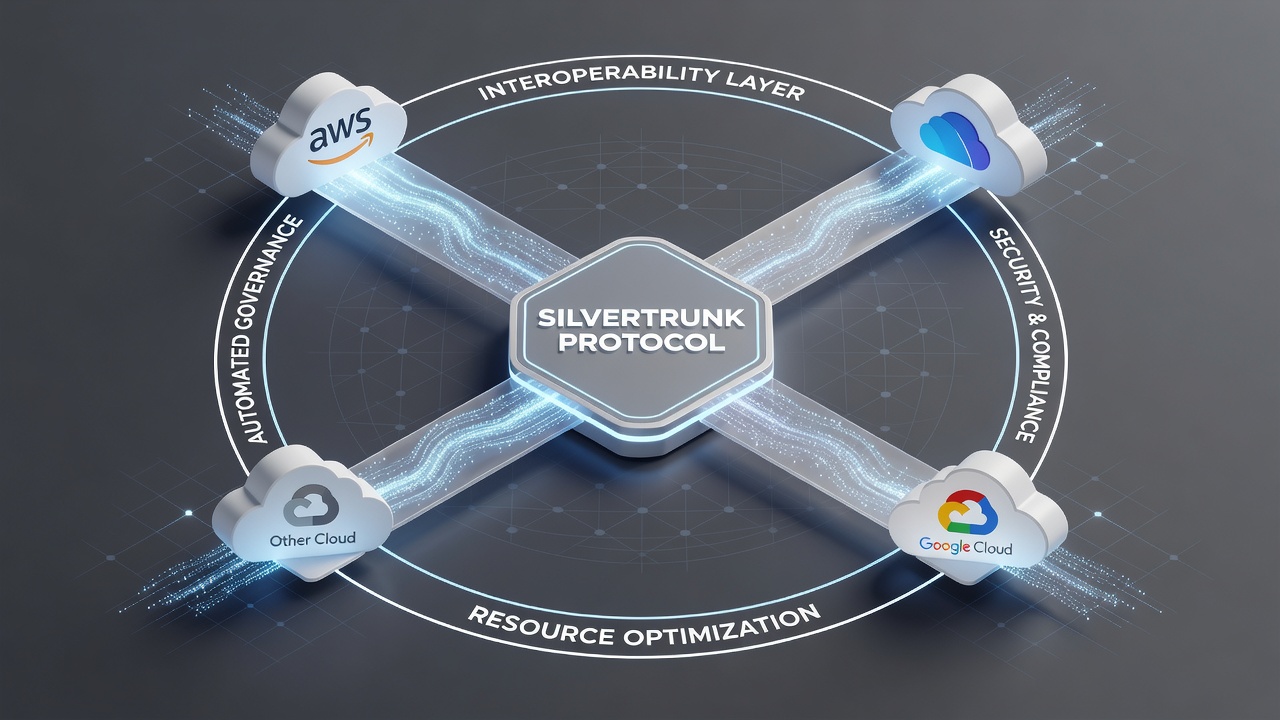
Configuration management benefits from the protocol's template-driven approach, which lets administrators define trunk policies once and propagate them across providers through existing APIs rather than maintaining separate rule sets. Observers note that this reduces configuration drift incidents, particularly in environments where teams from different business units manage portions of the overall infrastructure.
Security and Compliance Considerations in October 2026 Landscape
Security teams have incorporated Silvertrunk Protocol logs into centralized monitoring platforms, gaining unified views of inter-cloud traffic patterns that previously required stitching together vendor-specific data sources. According to guidance published by the National Institute of Standards and Technology, protocols offering native multi-provider visibility align with recommended practices for continuous monitoring in complex cloud architectures.
Compliance reporting has also become more straightforward because the protocol tags flows with metadata that maps directly to regulatory categories used in both North American and European frameworks. A separate analysis released by the European Union Agency for Cybersecurity in the same period underscored how trunk-level encryption supports data residency requirements when workloads move between jurisdictions.
Operational Metrics and Integration Patterns
Performance benchmarks collected through 2026 indicate average reductions in cross-cloud latency of 18 to 27 percent when Silvertrunk Protocol replaced legacy VPN overlays, although results varied depending on the geographic spread of connected regions. Network operators report that the protocol's ability to prioritize certain traffic classes during contention periods has proven useful for maintaining service-level agreements on latency-sensitive applications.
Integration with container orchestration platforms occurs through standard CNI plugins, allowing the same trunk policies to govern both virtual machine and container-based workloads. This consistency has encouraged broader adoption among teams already using infrastructure-as-code practices, since policy definitions can be version-controlled alongside application manifests.
Conclusion
Silvertrunk Protocol continues to influence how multi-cloud environments handle routing, security, and compliance as adoption expands into additional sectors. The features driving these adaptations center on adaptive path selection, unified encryption, and simplified policy propagation across providers. Organizations evaluating similar transitions can reference the protocol specifications and October 2026 performance data to assess fit with their existing architectures.